
For the helpers, the hurting, and the one’s finding their way back home again
Healing for those in
the Helping Professions
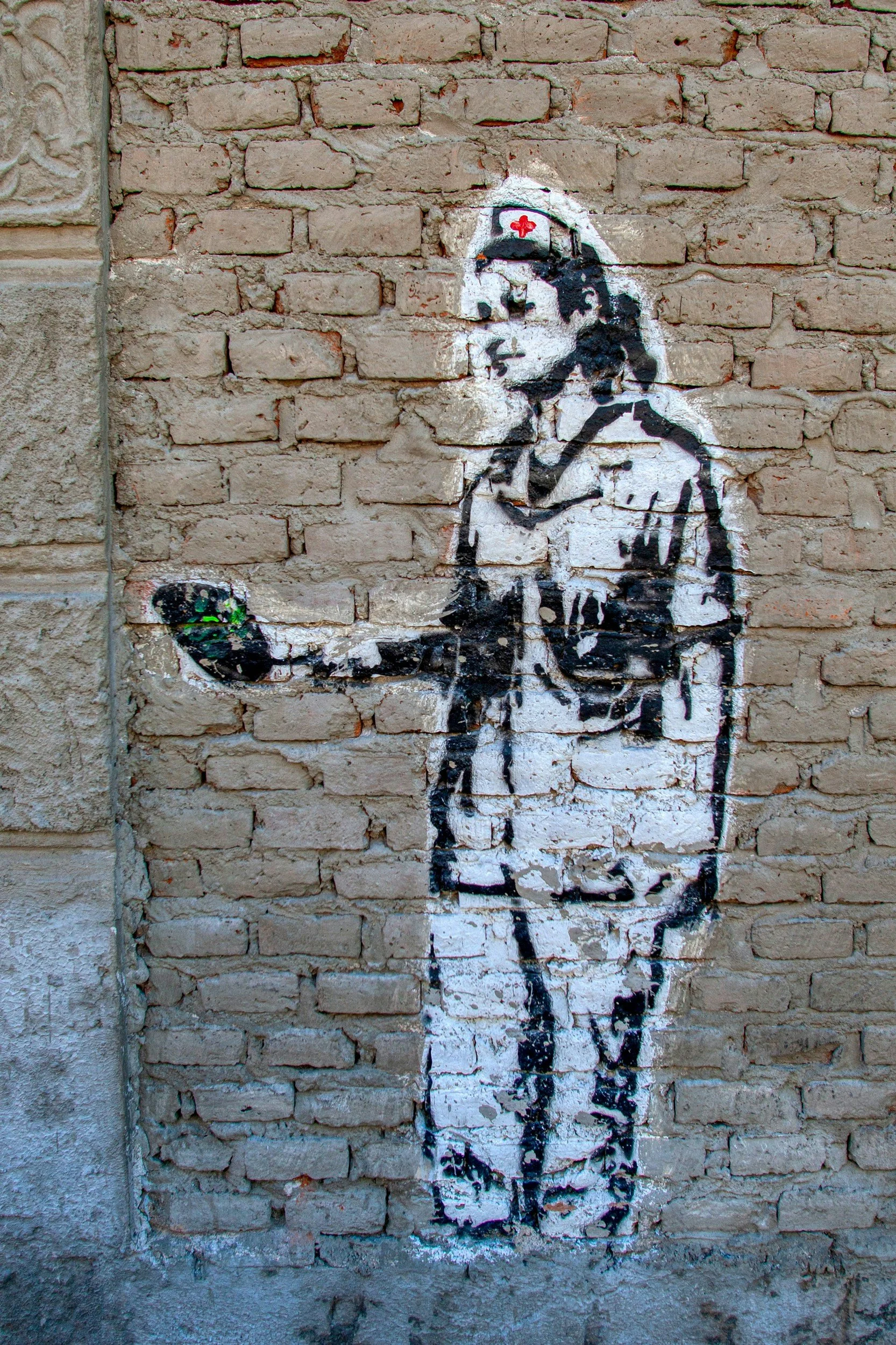
What's actually happening
Your nervous system
doesn't have an
off switch.
Helpers are often chronically hypervigilant — tuned to others' states so consistently that your own system never fully rests. This isn't a character flaw. It's a learned strategy, often from long before the credential.
The work here means meeting the parts you've outsourced — the neediness, the anger, the grief, the want — the things that don't fit the helper identity. Like the roots of an old tree: what looks solid on the surface has been quietly struggling underground. We work at that level.
The helpers are often the hardest people to help — because your insight is so good you can explain your own avoidance in clinical terms while continuing to avoid it. Knowing isn't the same as changing. Your body knows this, even if your mind keeps filing it under "I'll deal with that later."You feel more yourself at work than anywhere else in your lifeYou're fluent in self-care yet rarely follow throughYou understand your patterns well enough to watch yourself repeat themAsking for help feels uncomfortably like exposureYou hold everyone else's darkness and pain with skill — your own, less so
"Healing is your birthright too — not just the people you serve."
Therapists, coaches & counselors
You hold space for others all day. Let someone hold it for you — without clinical performance or professional armor required.
Nurses, teachers & social workers
The caregiving professions have a particular way of eating people alive slowly. Let's address that before it goes further.
The unofficial helpers
Maybe nobody gave you the title — you're just the one everyone calls. That counts. Your depletion is real and deserves real attention.
For parents who
feel like they're
failing.

You love your kid fiercely. You also didn't sign up for this — the meltdowns, the school calls, the appointments, the hypervigilance that never fully switches off. The constant recalibrating of what "normal" looks like for your family.
And then there's the shame. The particular, corrosive shame of being triggered by your own child. Of losing it in ways you swore you never would. Of googling things at midnight wondering if you're the problem, if your kid's struggles are somehow your fault, if a better parent would be handling this better.
Your child's nervous system is dysregulating yours — and nobody warned you about that
You're so focused on their needs that yours have become invisible, even to you
You love them completely and are completely depleted — both are true
The shame is loud and relentless and you are exhausted by it
You feel isolated — because few really understand this unless they're living it
You are not the problem. You are a person in an incredibly hard situation who deserves radical amounts of love and care...
Your Inner Critic is a Liar
Being triggered by your child doesn't make you a bad parent. It makes you human. And it's information — about what you need, not proof of what you lack.
Your needs matter too
Self-neglect doesn't make you more devoted. It makes you less available — to them and to yourself. Taking care of you is part of taking care of your family.
This builds capacity
The kind that helps you stay present when things get hard, pivot when they need you to, and not completely lose yourself in the process. That's not a small thing.
What's actually going on
You can't pour from
a nervous system
that's on fire.
When your child has high needs — neurodivergence, mental health challenges, emotional intensity, behavioral complexity — your own nervous system is in a constant state of low-grade emergency. You're not failing. You are behaving exactly like a fiercely loving mother who is desperately trying to help their kid.
The hypervigilance isn't weakness — it's what happens when you love someone whose struggles are unpredictable and the stakes feel impossibly high. But hypervigilance has a cost. And that cost lands on you, quietly, until it doesn't feel quiet anymore.
This space gives you somewhere to put it down. Not fix it. not problem solve it. Just — put it down for an hour, on land that can hold it, with someone who won't flinch.
The cycle
stops
with me.
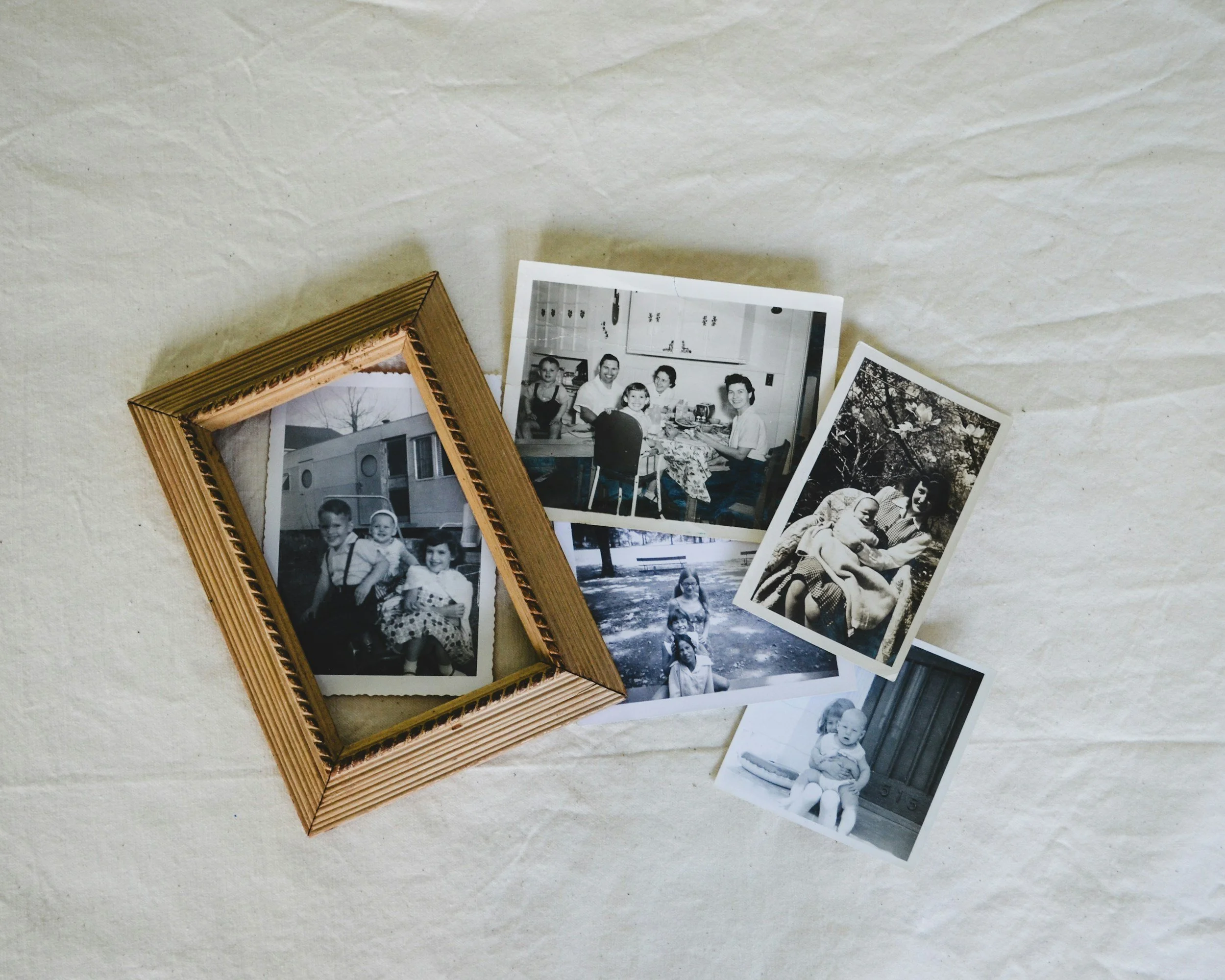
You can see the patterns. You know where they came from. You've traced them through the generations — the anxiety handed down like a family heirloom, the silence that stood in for real communication, the way love and control got tangled into something hard to separate.
Knowing hasn't made them stop. Because these patterns aren't just stories — they're in your very DNA. They express as the brace before someone raises their voice, the going quiet when you need to speak up, the way your nervous system learned to survive a particular kind of family and is still operating on those rules.
You can name the pattern and still can't stop the reaction
Your family history is weighted in silence, yet the wounding is plain for all to see
You're working hard not to repeat what was done to you
Past therapy has helped — but something in the body just won't let go
You feel disconnected from the gifts and wisdom your ancestors have for you
You don't have to excavate everything
We're not here to re-traumatize you in the name of healing. We're building a new reference point — what regulation actually feels like in your body so you have something real to return to.
Dormancy isn't failure
Seeds germinate underground. The parts of you that feel stuck or frozen aren't broken — they're waiting for the right conditions to emerge. We work on creating those conditions.
It's not linear — and that's okay
Changing deep patterns doesn't happen on a schedule. Sessions follow your system, not a curriculum. We meet where you are, every time.
Why this goes deeper
Patterns live
in the body,
not just the story.
Intergenerational patterns are nervous system inheritances. They were learned before language, often before memory — which is why talking about them, while valuable, sometimes hits a ceiling.
Think of it like a tree that's been growing toward the light in the wrong direction for decades. You can explain the lean perfectly. But changing it requires working at the root level, in the dark, underground. That's where this work goes — and the land we work on makes that metaphor literal.
Ways we can connect
Homestead Therapy
Leicester, NC
You’ve talked yourself in circles and need something different so your nervous system will finally chill out
Telehealth
North Carolina
You live outside the area or today… radical self-care means not leaving the house